Most students fear physics due to its complex numerical problems. But if students become familiar with the physics formulas, the subject can be a lot more interesting. Remembering all the physics formulas can get hard. Keeping this in mind, we have created a comprehensive list of all class 10 physics formulas. These formulas are the most used and commonly occurring in Physics. These physics formulas will not only help class 10 students to prepare for their class 10 board exams but also in their later stages when they set out to prepare for competitive medical and engineering entrance exams like NEET and JEE.
Vectors
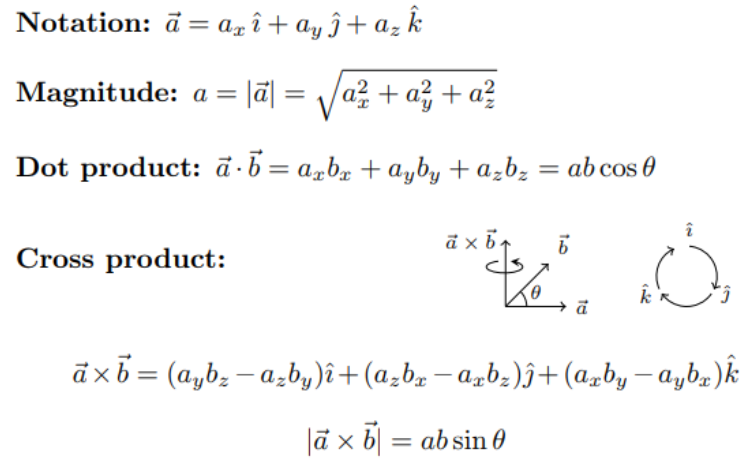
Kinematics

Projectile Motion
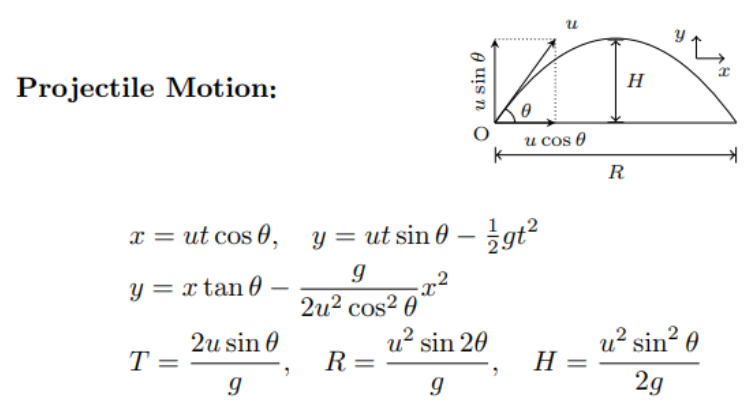
Work, Power and Energy

Gravitation
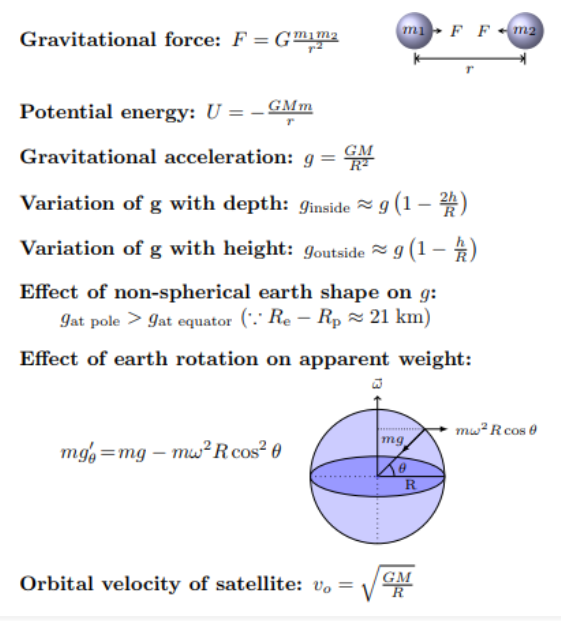
Waves Motion

Sound Wave
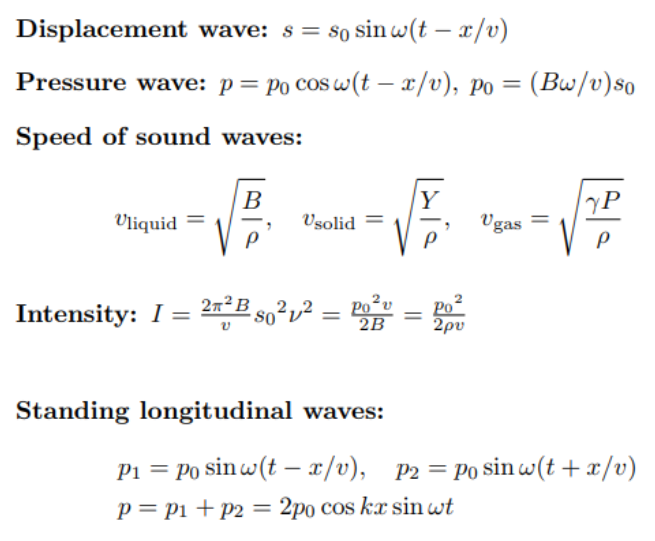
Reflection of Light

Laws of Reflection
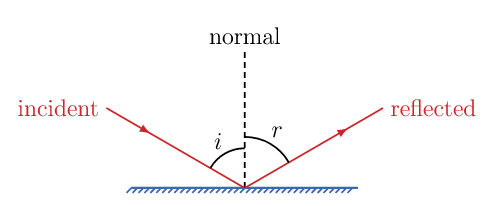
- Incident ray, reflected ray, and normal at the point of incidence lie in the same plane.
- The angle of incidence is equal to the angle of reflection i.e., ∠i=∠r
Reflection from a Plane Mirror
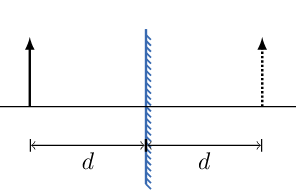
- The image is virtual. The image and the object are equidistant from the mirror.
- The object size is equal to the image size i.e., magnification is 1.
Reflection from a Spherical Mirror
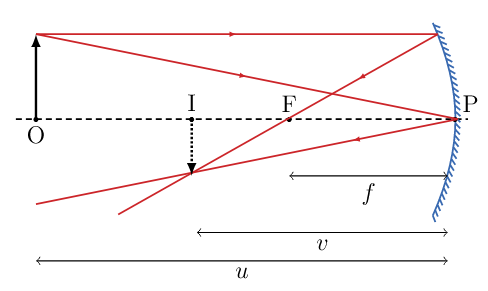
- New cartesian sign convention (i) the distances are measured from the pole P (ii) the distances in the direction of incident ray are positive.
- Focal length is equal to half of radius of curvature i.e., f=R/2.
- The object distance u, image distance v and focal length f are related by the mirror formula:
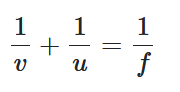
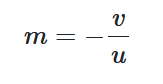
4. The magnification is the ratio of image height to the object height and it is given by
Formulas on Refraction of Light
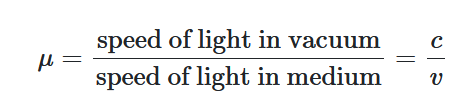
Refractive Index
Laws of Refraction

- Incident ray, refracted ray, and normal at the point of incidence lie in the same plane.
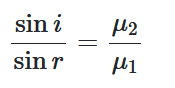
- The angle of incidence is related to the angle of refraction by Snell’s Law:
Lens Formula
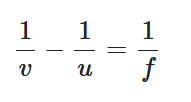
The object distance u, image distance v and focal length f of a lens are related by the lens formula
The magnification by a lens is given by
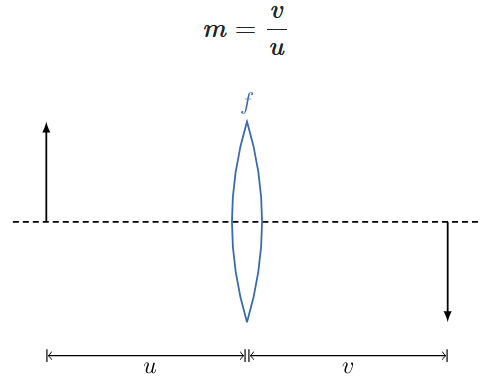
Power of a Lens
The power of a lens is related to its focal length by
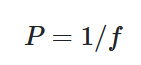
The power P in diopter if f in metre.
Heat and Temperature
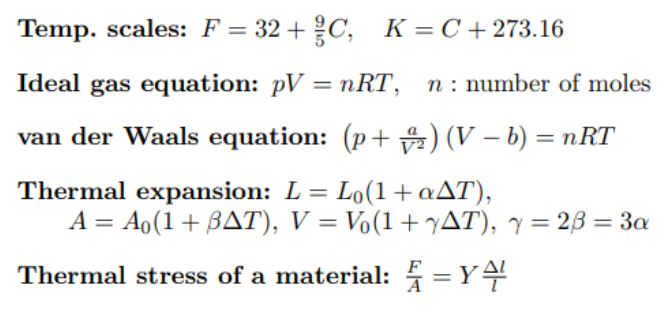
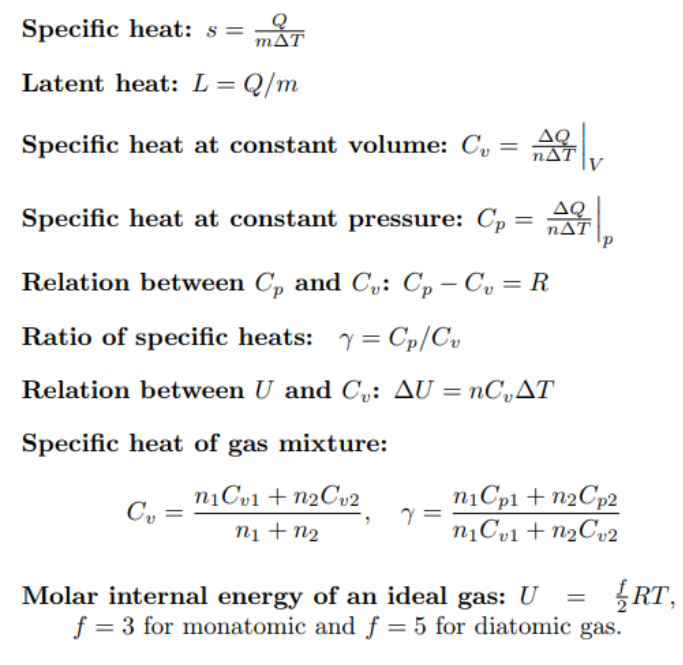
Specific Heat
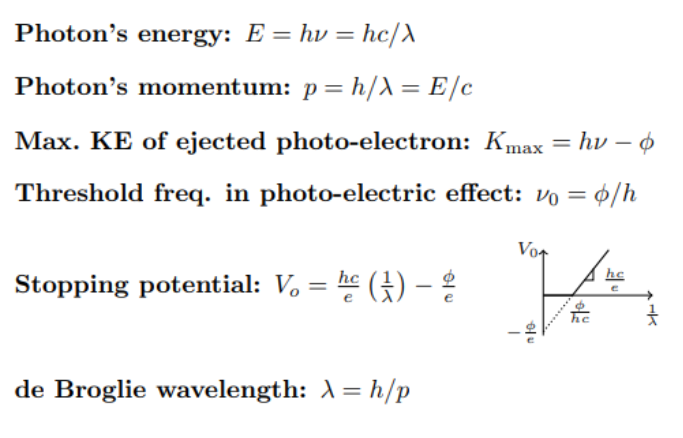
Photoelectric Effect
Electricity Formulas
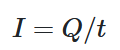
Electric Current
The electric current in a wire is equal to the charge flowing per unit time in it i.e.,
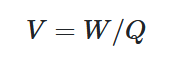
Potential Difference
The potential difference between two points is the work required to move a unit charge from one point to the other i.e.,
Resistance
The resistance of a wire of length l and cross-sectional area A is given by
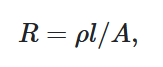
where ρ is the resistivity of the wire material.
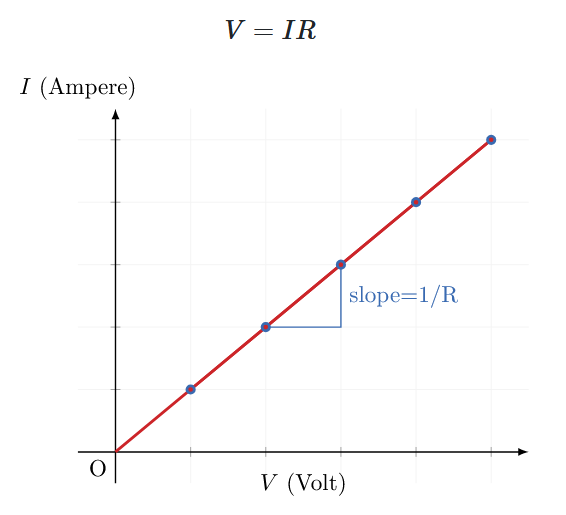
Ohm’s Law
The current through a wire of resistance R connected to a source of potential V is given by
Resistors in Parallel
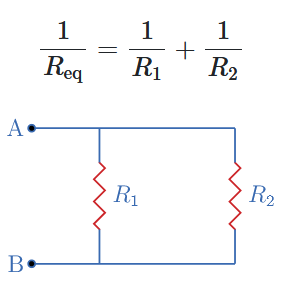
The equivalent resistance Req of two resistors connected in parallel is given by
Resistors in Series
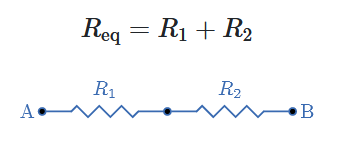
The equivalent resistance Req of two resistors connected in series is given by
Electric Power
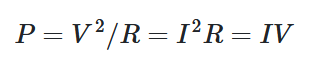
The electric power of a device of resistance R connected to a source of voltage V is given by
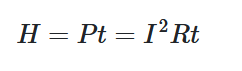
Heating Effect
The heat generated in time t is given by
Download Class 10 Physics Formulas PDF
Xem thêm